Lentil sprouts are a simple way to get more out of seeds.
During germination, enzymes are activated, and the level of some compounds that hinder digestion and absorption may decrease. This makes sprouts often better tolerated than dry seeds alone.
Key benefits of eating lentil sprouts:
- Antioxidant support: sprouts may contain more bioactive compounds (including polyphenols) that help protect cells from oxidative stress.
- Satiety and appetite control: thanks to the combination of protein and fiber, they help maintain a feeling of fullness for longer, which aids in weight reduction.
- Vitamins and minerals: they are a good source of B vitamins and minerals such as iron, magnesium, zinc, and potassium.
- Cardiovascular system: the content of potassium and folate supports heart function and may help maintain normal blood pressure.
- More stable glycemic response: in practice, sprouts work well as an addition that doesn’t burden a meal with “quick energy” alone, and fiber can support more even blood sugar levels.
- Better digestibility: germination can reduce the level of some anti-nutrients, which promotes the absorption of nutrients.
- Easier digestion and culinary use: over time, some starch breaks down, so 2–3-day-old sprouts are well-suited for warm dishes, while 5–6-day-old sprouts are lighter, crispier, and great for salads. Many people tolerate sprouts better than cooked lentils, although a sensitive digestive system may still react individually.
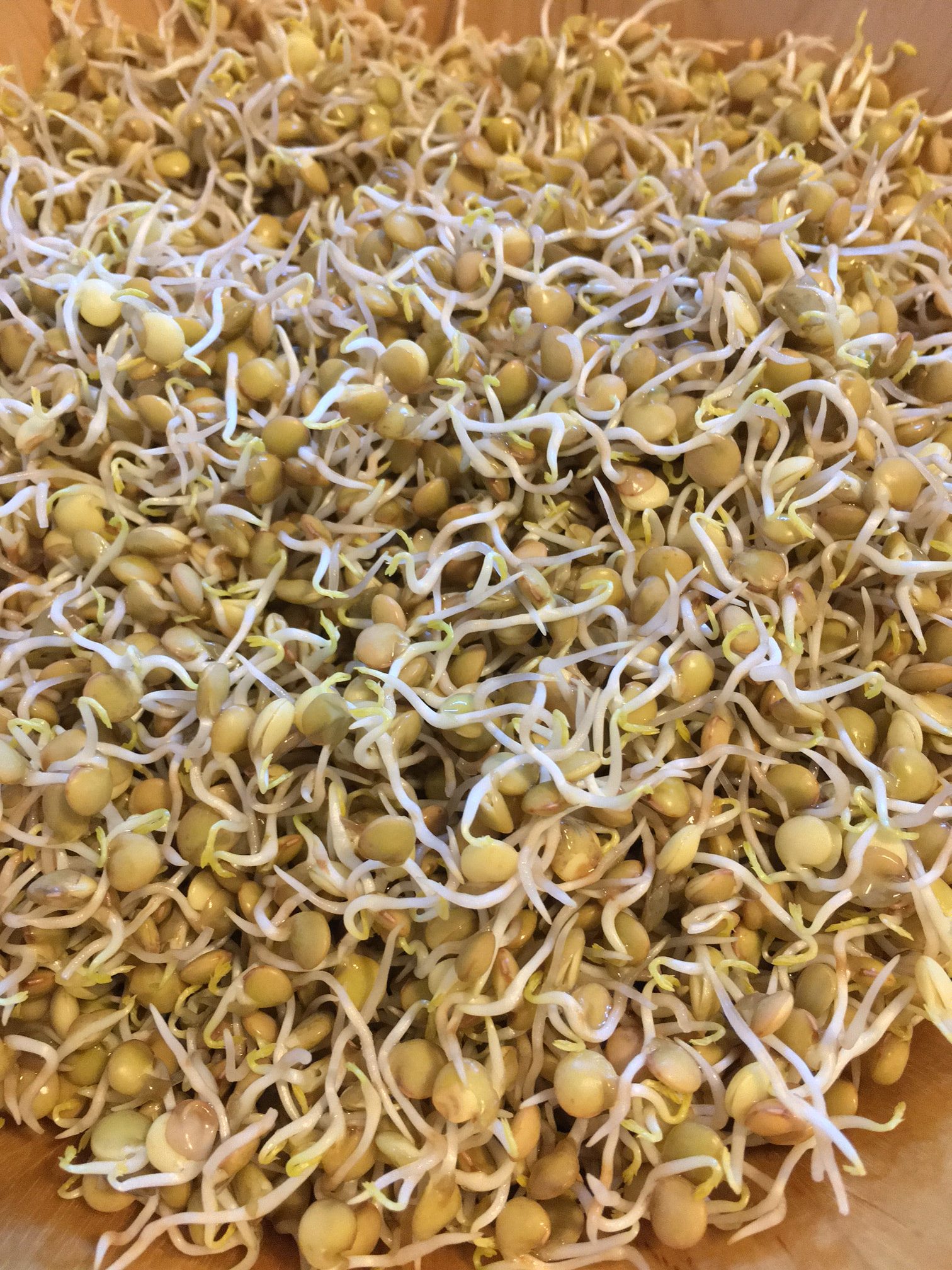
2–3-day-old lentil sprouts.
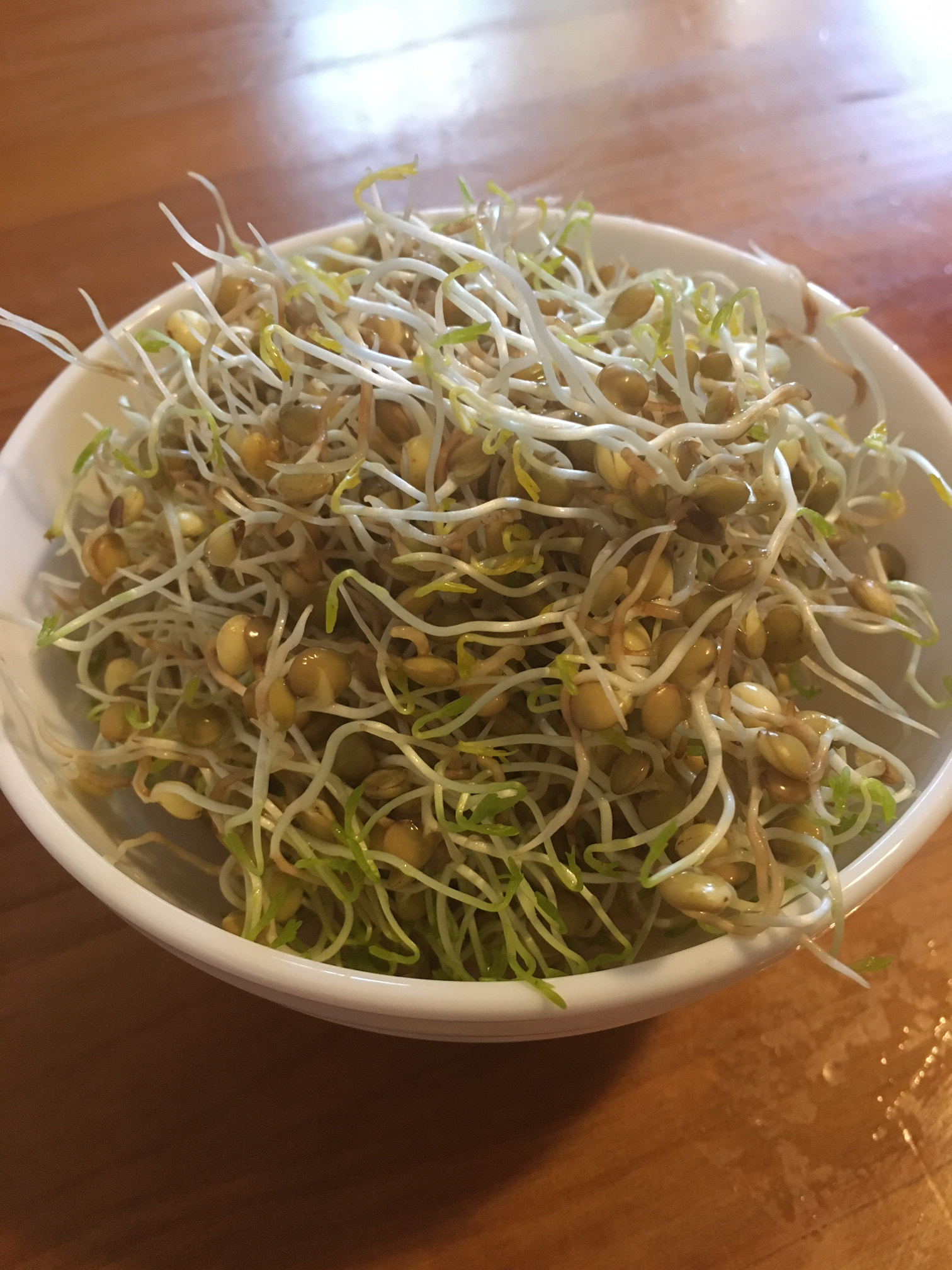
5–6-day-old lentil sprouts.